Home Office Noise and Acoustics: How to Make Your Workspace Quieter
Setup Your Desk Editorial
Updated November 1, 2026
Quick Answer
Reduce echo with soft furnishings such as rugs, curtains, and bookshelves, block gaps around doors and windows, place the desk away from noisy walls, and use a headset with a good microphone. Full soundproofing is expensive, but small changes make a real difference.
Reduce echo, outside noise and household sounds in your home office with soft furnishings, seals, layout and microphone habits.
Two different problems
Noise problems fall into two groups. The first is sound coming from outside: traffic, neighbours, or family. The second is how your own room sounds: echo, reverb, and harshness that make calls tiring to listen to.
Different solutions apply to each. Absorbing materials reduce echo, while blocking noise needs mass and sealed gaps. Decide which problem is bigger for you.
Reduce echo with soft surfaces
Bare walls, hard floors, and big windows create echo. Add soft furnishings: a rug, curtains, upholstered chairs, and bookshelves filled with books. These absorb sound and make your voice clearer on calls.
Acoustic panels placed on walls near the microphone can help, but many rooms improve a lot with household items first.
Do a quick clap test. Clap your hands in the room and listen for a ringing echo, which tells you whether the room needs more soft surfaces.
- ✓Rug on a hard floor
- ✓Heavy curtains
- ✓Bookshelf against a wall
- ✓Upholstered chair or cushions
- ✓Acoustic panels where needed
Block gaps
Sound travels through any gap. Seal the bottom of the door with a sweep, add weatherstripping around the frame, and close any vents or gaps you can. Heavy curtains over windows help a little with outside noise.
Solid-core doors block more than hollow ones. Even adding a door seal improves the result.
Position the desk
Place the desk away from the noisiest wall, such as one shared with a loud room or the street. Facing into the room rather than a hard wall can reduce reflections into your microphone.
If possible, position your desk so that your microphone is not near windows or hard corners.
Use the right audio gear
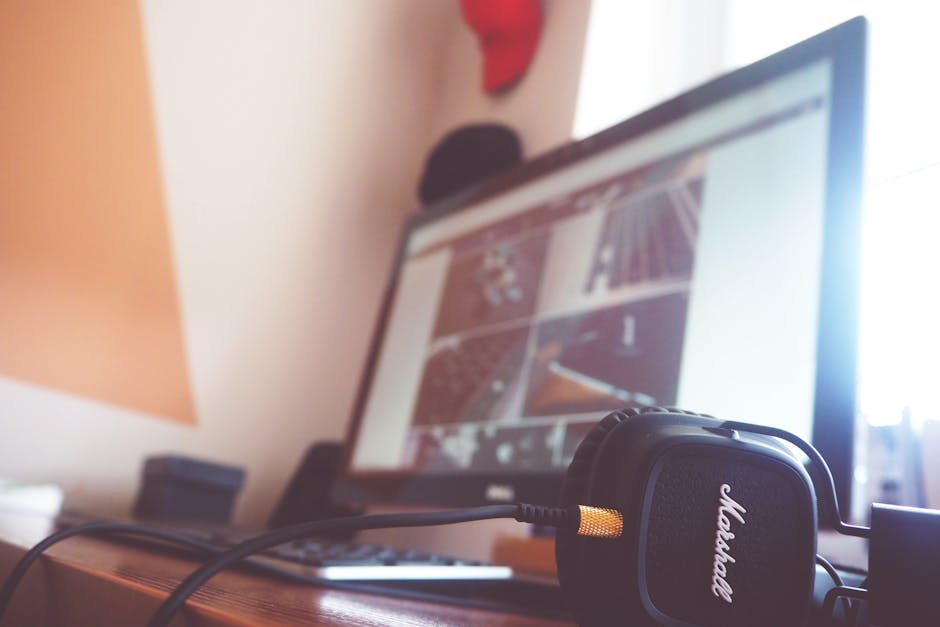
A headset with a boom microphone places the microphone close to your mouth, so it picks up more of your voice and less of the room. This often improves call quality more than any wall treatment.
Noise-cancelling headphones help with steady sounds such as fans or traffic. Test the settings in your call software, as built-in noise suppression can help but may distort your voice.
If you use a standalone microphone, place it close to your mouth and off to the side to reduce breath sounds, and use a pop filter if it has one.
Handle household noise
Agree on signals with the people you live with, such as a closed door or a sign, to show you are on a call. Schedule noisy tasks, like vacuuming, for times when you are not working.
If you hear your computer's fan, consider moving it or cleaning the vents.
Know what is worth spending on
Start with free or cheap changes: rugs, curtains, seals, and a headset. Only consider more expensive solutions, such as acoustic panels or a quiet-room build, if you still have problems.
Test your sound by recording yourself and listening back. It is the quickest way to find the weak points.
A quiet-room checklist
Use this checklist to find quick improvements. Work through it from top to bottom, and test your sound after each change.
Small improvements add up. Even a simple rug and a door seal can make a noticeable difference in the quality of your calls.
Think about timing as well as treatment. Schedule your most important calls for the quietest part of the day, and keep a backup plan, such as moving to another room, for noisy days.
Over time, you will learn which sounds bother your listeners most and can target them first.
- ✓Rug or mat on a hard floor
- ✓Curtains over windows
- ✓Door sweep or seal
- ✓Bookshelf on an echoey wall
- ✓Headset with a boom microphone
- ✓Desk away from the noisiest wall
Your Questions Answered
What is the difference between soundproofing and sound absorption?
Soundproofing blocks sound passing through walls; absorption reduces echo inside the room. Most homes benefit more from absorption.
Do acoustic panels help?
They reduce echo, particularly in bare rooms, but rugs, curtains, and furniture also help.
How do I stop noise from under the door?
Use a door sweep or draft stopper, and seal gaps with weatherstripping.
Does a headset help?
Yes. A close microphone picks up your voice more than the room, which reduces echo and background noise.
Should I use noise-cancelling headphones?
They can help with steady background noise like fans, but are less effective for sudden sounds.
Where to Buy
Advertisement
Sponsored: today's featured offer →Advertisement