Complete Home Office Setup Guide 2026: Desk, Chair, Monitor, Lighting & Cable Management
SetupYourDesk Reviews
Updated June 13, 2026
Quick Answer
The complete home office setup priority order for 2026: (1) Ergonomic chair ($300–500 minimum — you sit in this all day). (2) Desk at correct height (ideally a standing desk, $400–600). (3) Monitor at eye level (27" 4K, $300–400 or use a monitor arm for $30–80). (4) Proper lighting (no overhead glare, bias lighting behind monitor, $50–150). (5) Keyboard and mouse (mechanical keyboard + ergonomic mouse, $100–200). (6) Audio (headset or speakers for calls, $50–200). Total for a solid setup: $1,200–2,000. Budget version hitting all priorities: ~$700.
Everything you need to build a productive, comfortable home office in 2026 — from choosing your desk to hiding every cable. Built from 3 years of testing and reader setups.
The Right Order: What to Buy First When Building a Home Office

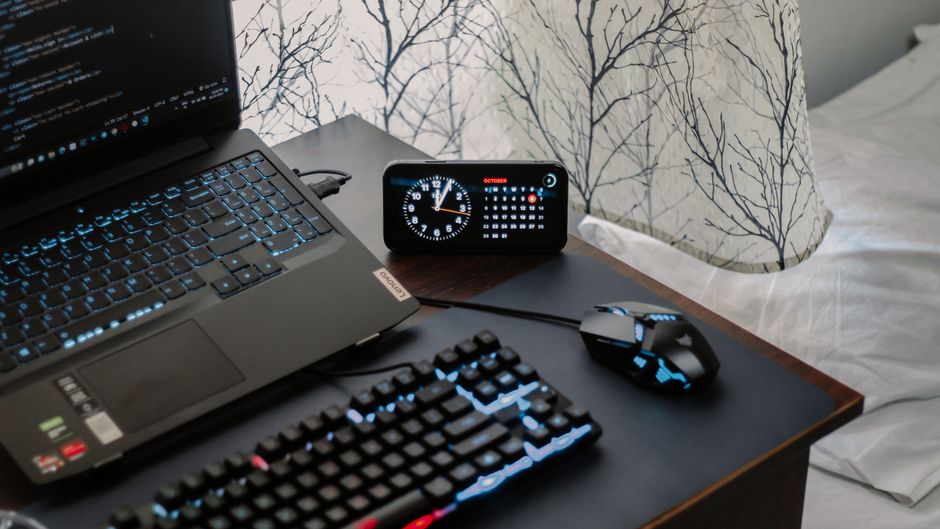
Photo by Zarak Khan on Pexels
The biggest home office mistake is spending on aesthetics before fundamentals. A beautiful desk with a bad chair, wrong monitor height, and poor lighting will make you less productive and cause physical strain within months. The correct spending sequence: (1) Chair — you sit in it all day, every day, and posture issues compound over years. (2) Desk at the correct height or a standing desk. (3) Monitor at eye level. (4) Lighting — both for eye health and video calls. (5) Peripherals — keyboard, mouse, webcam. (6) Aesthetics — cable management, desk accessories, plants.
Total budget guidance: a solid setup that won't cause health issues costs $1,200–1,500 new, or $700–900 if you buy refurbished where possible (Herman Miller chairs, used monitors). A 'good enough' setup under $500 is possible — use a fixed-height desk at correct height, a quality used chair, and a budget monitor on a monitor arm — but involves compromises that many people upgrade away from within a year.
Getting the Ergonomics Right (the Step Most People Skip)

Photo by Alpha En on Pexels
Correct ergonomic setup takes 20 minutes and prevents years of neck, back, and wrist problems. The five-point checklist: (1) Chair height: sit with your feet flat on the floor, knees at 90°. (2) Desk height: forearms parallel to the floor when typing — your elbows should be at desk height, not lifted or dropped. (3) Monitor: top of screen at or slightly below eye level, 20–30 inches from your eyes. (4) Monitor distance: if you lean forward to read, move the monitor closer or increase font size — not your body. (5) Keyboard and mouse: at elbow height, with wrists neutral (not bent up or down).
The most common setup error: monitor too low. Most people use their laptop screen or a monitor sitting directly on the desk — both are 8–12 inches below ideal eye level. Looking down all day causes the neck to hold 40–60 extra pounds of effective head weight, causing tension that progresses to chronic pain within months. A monitor arm ($30–80) or solid monitor riser ($20–40) is the highest-ROI ergonomic purchase for most people. Fix monitor height before buying anything else.
- ✓Chair: feet flat, knees 90°, lumbar support touching your lower back
- ✓Monitor: top of screen at eye level, 20–30 inches away
- ✓Keyboard/mouse: at elbow height, wrists straight
- ✓Most common mistake: monitor too low — a $30 riser fixes most neck pain
- ✓Second most common: chair too high, causing feet to dangle — add a footrest
Cable Management: The Difference Between a Professional and Amateur Setup

Photo by Ron Lach on Pexels
Cable management is 95% about hiding cables before they get messy, not untangling them after. The system that works: (1) Under-desk cable tray ($20–40, mounts under the desk surface) catches all loose cables — power strips, laptop charger, monitor cables, audio cables — in one contained run. (2) Cable spine or raceway along the desk leg routes cables vertically from tray to floor outlet. (3) Velcro cable ties bind individual cable bundles — not zip ties, which make future changes difficult. (4) Monitor arm with built-in cable channel routes monitor, USB-C, and audio cables through the arm instead of hanging loose.
The single biggest cable simplification: a USB-C docking station. With a modern docking station ($60–150), your entire desk — monitor, keyboard, mouse, audio, Ethernet, webcam, and phone charging — connects to your laptop via one cable. Disconnect one cable when you leave, plug in one cable when you return. The difference in daily friction is disproportionate to the cost.
- ✓Start with: under-desk cable tray ($20) — catches 80% of the problem immediately
- ✓Add: USB-C docking station ($80–120) — one cable for your entire desk
- ✓Use Velcro ties, not zip ties — leaves flexibility for future changes
- ✓Wireless keyboard + mouse eliminates 2 cable runs permanently
- ✓Monitor arm with cable channel is worth the premium over a standard arm
Your Questions Answered
How do I set up a productive home office on a budget?
Budget home office setup under $700: Standing desk (FlexiSpot E2 $299) + Ergonomic chair (used Herman Miller or new Flexispot BS13 $269) + 24" FHD monitor (Dell P2422H $169) + Monitor arm ($30) + USB webcam (Logitech C920 $70) + LED desk lamp ($35) = $872. Cut to $500 by using a fixed-height desk ($150) and monitor riser ($20) instead. The chair is always worth spending more on — it affects your health every day.
Where should I put my home office for maximum productivity?
Best home office location priorities: (1) Natural light — near a window, but set up perpendicular to it (window to your side, not in front or behind) to avoid screen glare and backlighting. (2) Door — ideally a room with a closable door for focus and video call separation. (3) Noise — away from main living areas if you have calls during work hours. (4) Temperature — avoid areas near exterior walls that get cold in winter. A dedicated room beats a corner of a bedroom for psychological separation of work/home.
What equipment do I need for a professional home office?
For a professional remote work setup: Desk + ergonomic chair (non-negotiable), external monitor (you'll be more productive than on a laptop screen alone), USB-C hub or docking station (connect all peripherals with one cable), quality webcam (Logitech C930e or Brio for video calls), USB microphone or headset with mic (AirPods Pro work well), ring light or desk lamp (professional lighting on calls), and a UPS (battery backup to protect against power cuts during calls or work loss). Budget: $800–1,500.
How do I hide cables in a home office?
Cable management hierarchy: (1) Cable tray under the desk ($20–40) catches all desktop cables. (2) Cable spine or raceway along the wall ($15–30) routes cables from desk to outlet. (3) Cable clips or Velcro ties bundle individual cables. (4) A desk with built-in cable management (many standing desks include this). (5) Monitor arms often have cable channels built in. Wireless keyboard, mouse, and webcam eliminate most cables. The biggest improvement: use a USB-C docking station so your laptop connects via one cable.
Should I buy a gaming desk or an office desk?
Office desk for most home workers. Gaming desks prioritize large surface area and RGB aesthetics — they lack the ergonomic features (adjustable height, cable management cutouts, quality surface coating) that matter for 8-hour workdays. Standing desks like FlexiSpot and Uplift serve dual purposes better than gaming desks. Exception: if you game and work at the same desk, a large gaming desk (60"×28") gives you surface space for both setups.